
Face
Ear Pinning
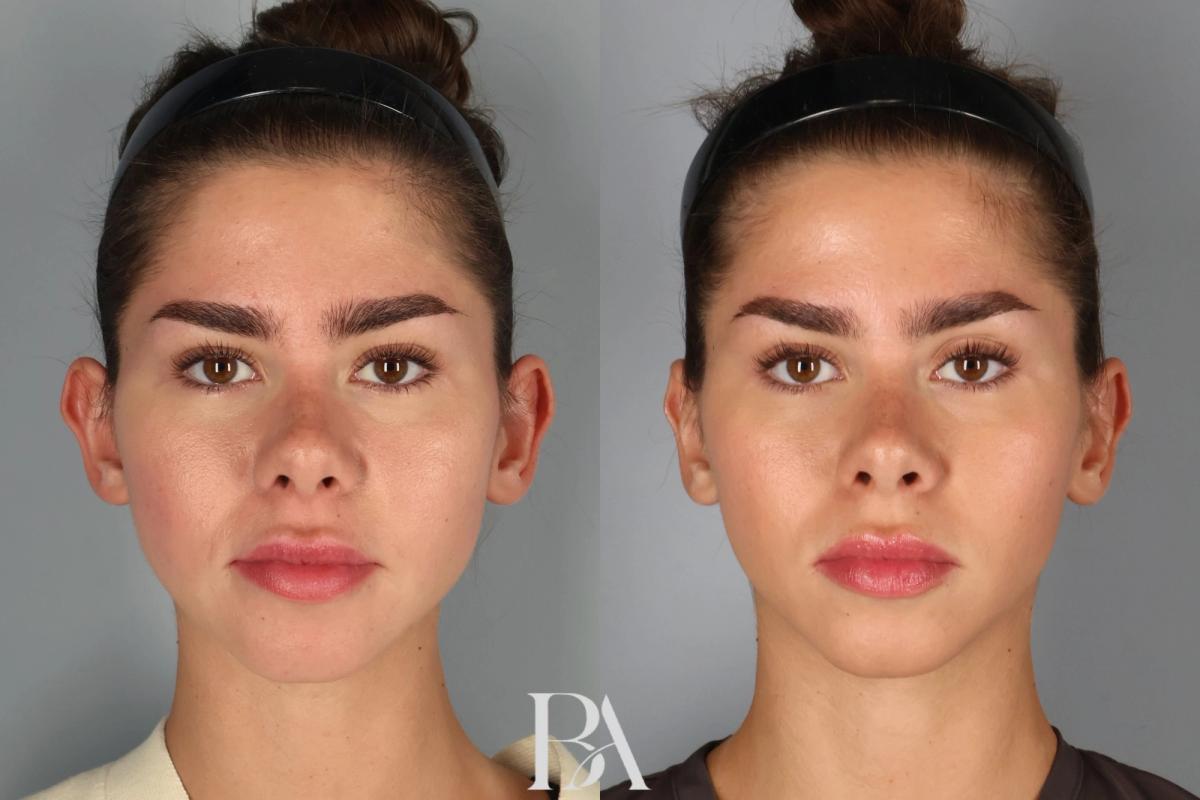
Otoplasty reshapes and repositions protruding or asymmetric ears so they sit closer to the head and read as more balanced with the rest of the face.

Overview
Otoplasty, commonly called ear pinning, reshapes the cartilage of the ear and repositions it closer to the head. The procedure addresses ears that protrude further than typical, asymmetric ears, or folded cartilage that does not lie naturally. Sutures placed in the cartilage create a new fold; some cases also require removing or reshaping the cartilage itself. Otoplasty is appropriate for adults and for children once the ear has finished growing, typically by age six or seven.
Who it's for
The right candidate.
Adults and children (age six or older) with ears that protrude further than typical, asymmetric ears, or unfolded cartilage. Appropriate at any age once ear growth is complete.
Technique
How it's done.
Through a small incision behind the ear, Dr. Azadgoli reshapes the cartilage with permanent sutures and removes a small strip of skin. The procedure creates or strengthens the natural antihelical fold and reduces the projection of the ear from the head.
Where this happens
Our own surgery center.
One roof, one team.
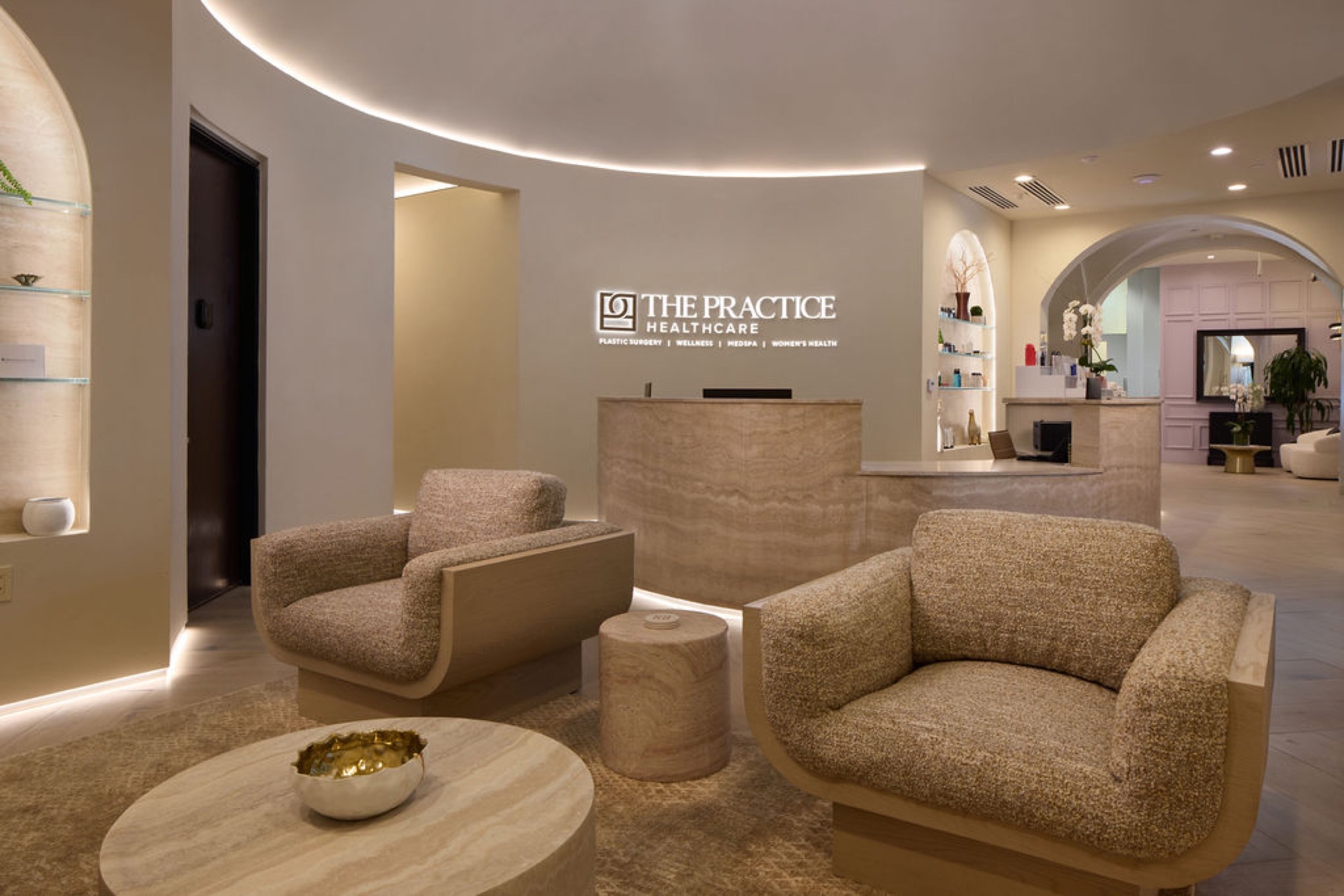
Dr. Azadgoli operates at The Practice Healthcare's fully independent, on-property ambulatory surgery center — a Medicare-certified, physician-led facility recognized by Newsweek as one of California's top centers for independent, privately owned surgery.
Consultation, surgery, aftercare, and recovery all happen in one building, with the same team. No outside hospital. No new staff to meet the day of surgery. The same person who checked you in at the consult is there when you wake up.
What to expect
From consultation to recovery.
Outpatient procedure under local with sedation or under general anesthesia for children. A headband is worn for one to two weeks during sleep. Most adults return to work in five to seven days; children can return to school in a week.

Patient results
Real cases.
Insurance & coverage
Patient Advocacy handles the paperwork.
Our advocacy team verifies benefits, pursues pre-authorizations, and appeals denials. You don't navigate insurance on your own.
Cosmetic procedures are generally not covered by insurance. For reconstructive or medically necessary work, our advocacy team verifies your benefits and presents the out-of-pocket estimate before anything is scheduled.
How we work with insurance
- 1 Verification by expertsOur advocacy team verifies your benefits before any procedure — so we know exactly what is and is not covered.
- 2 Patient advocacy & follow-throughWe aggressively pursue pre-authorizations, appeal denials when appropriate, and hold carriers accountable to their commitments.
- 3 Financial transparencyYou receive a clear written estimate of potential out-of-pocket costs. No surprises on the day of surgery.
- 4 Collaboration with carriersOur team handles documentation and communication directly with your insurance company.
- 5 Options & supportIf a procedure is not covered, we walk you through cash-pay options, financing, and other pathways to care.
FAQ
Common questions.
Are the scars visible?
No — the incision is behind the ear in the natural crease where the ear meets the head. Even up close it is rarely noticeable.
Is this only for children?
No. Many adults have otoplasty for the first time in their twenties, thirties, or later. The procedure is the same.
Will the ears stay corrected?
Yes. The reshape is held with permanent sutures and the cartilage memory adjusts to the new position. Recurrence is rare.
Will my child be self-conscious during recovery?
Most children return to school within a week wearing a headband. Soreness is mild. Many parents schedule the procedure during a school break to make the timing easier.
Can the correction be uneven?
Asymmetry is uncommon when both ears are addressed at the same operation. If the starting anatomy is asymmetric, the correction is planned to match the more typical side.
Will this affect hearing?
No. Otoplasty addresses the external ear cartilage only. The ear canal, middle ear, and hearing structures are not touched.
Ready to discuss ear pinning?
Schedule a consultation with Dr. Azadgoli and her team to explore your options.
Request a consultation