Face
Facelift
A surgical lift of the lower and mid-face that addresses sagging skin, deep folds, and jowls. Dr. Azadgoli tailors the depth and incision pattern to each patient's anatomy and aging pattern.
Overview
A facelift, or rhytidectomy, repositions the soft tissue and tightens the skin of the lower and mid-face. The procedure addresses the structural changes that accumulate with age — loss of midface volume, descent of the cheek and jawline, and laxity along the neck. Dr. Azadgoli's approach is personalized to each patient: incision design, depth of dissection, and degree of correction are matched to the patient's anatomy and the result they want. Results typically last many years.
Who it's for
The right candidate.
Patients with moderate to advanced sagging along the lower face, jawline, and neck. Generally appropriate from the late forties onward, though the right time depends on anatomy more than age. Not for patients seeking volume correction alone — that is a different problem.
Technique
How it's done.
Dr. Azadgoli works in the deeper tissue plane (SMAS or deep plane depending on the case) to reposition the supporting structure of the face, then redrapes the skin. Operating below the skin layer is what allows the result to hold up rather than relying on skin tension that will inevitably stretch.
Where this happens
Our own surgery center.
One roof, one team.
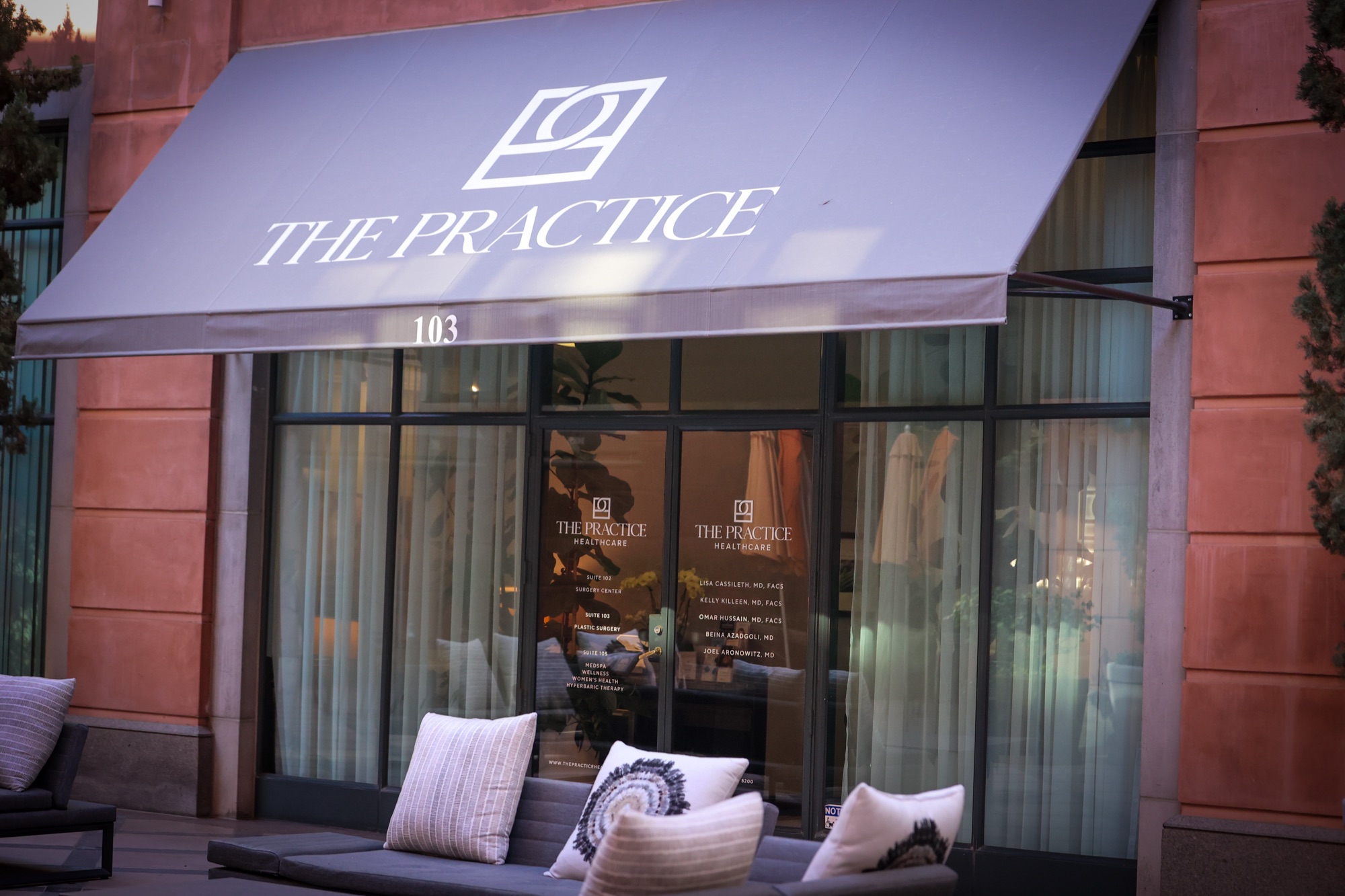
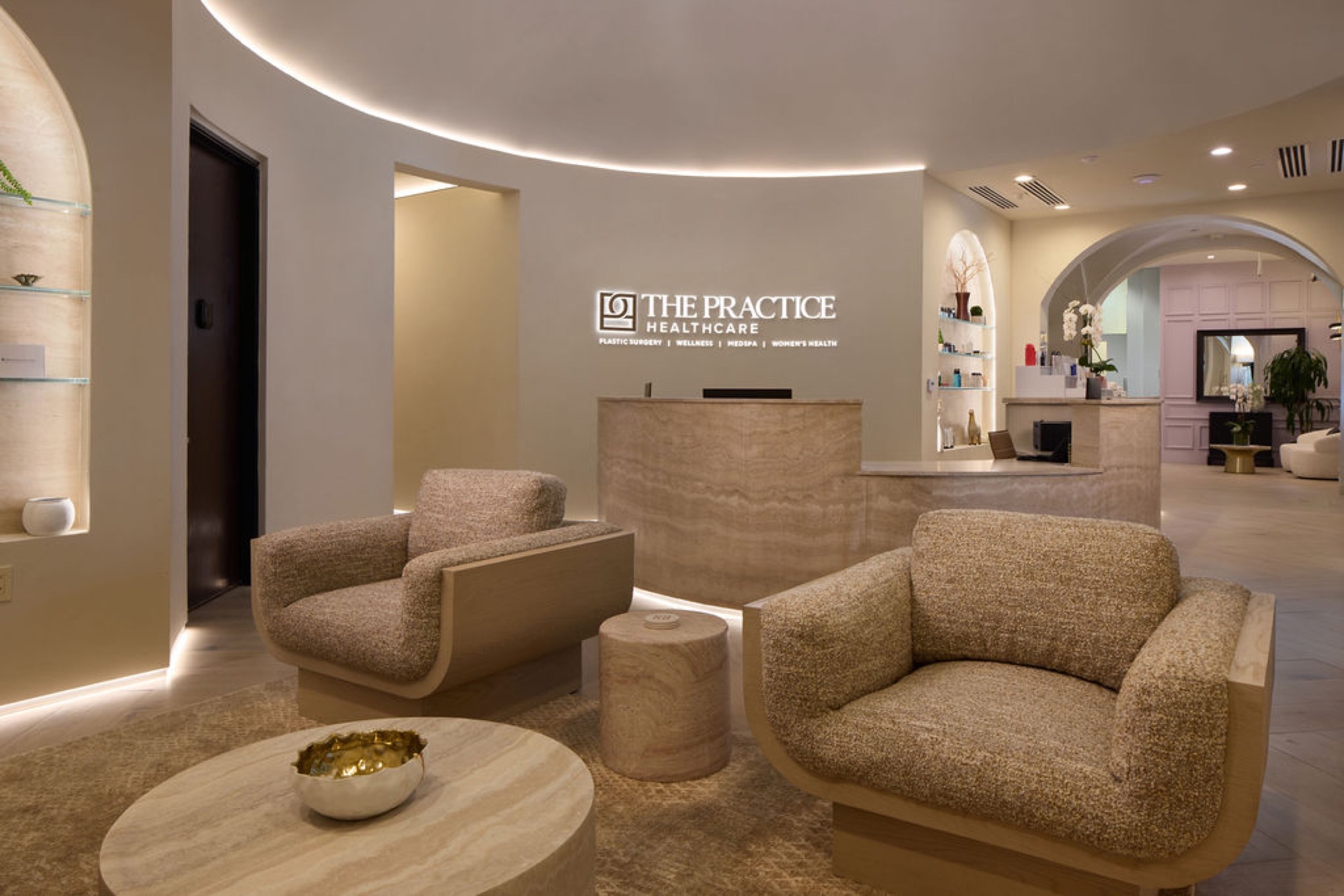
Dr. Azadgoli operates at The Practice Healthcare's fully independent, on-property ambulatory surgery center — a Medicare-certified, physician-led facility recognized by Newsweek as one of California's top centers for independent, privately owned surgery.
Consultation, surgery, aftercare, and recovery all happen in one building, with the same team. No outside hospital. No new staff to meet the day of surgery. The same person who checked you in at the consult is there when you wake up.
What to expect
From consultation to recovery.
Surgery takes three to five hours under general anesthesia. Most patients are back to normal social activity at two to three weeks. Bruising and swelling are most visible in week one and resolve substantially by week three. Final result settles over three to six months.

Insurance & coverage
Patient Advocacy handles the paperwork.
Our advocacy team verifies benefits, pursues pre-authorizations, and appeals denials. You don't navigate insurance on your own.
Cosmetic procedures are generally not covered by insurance. For reconstructive or medically necessary work, our advocacy team verifies your benefits and presents the out-of-pocket estimate before anything is scheduled.
How we work with insurance
- 1 Verification by expertsOur advocacy team verifies your benefits before any procedure — so we know exactly what is and is not covered.
- 2 Patient advocacy & follow-throughWe aggressively pursue pre-authorizations, appeal denials when appropriate, and hold carriers accountable to their commitments.
- 3 Financial transparencyYou receive a clear written estimate of potential out-of-pocket costs. No surprises on the day of surgery.
- 4 Collaboration with carriersOur team handles documentation and communication directly with your insurance company.
- 5 Options & supportIf a procedure is not covered, we walk you through cash-pay options, financing, and other pathways to care.
FAQ
Common questions.
How long does a facelift last?
Ten to fifteen years for most patients, depending on skin quality, sun exposure, and weight stability. Aging continues after the operation; the facelift resets the starting point.
Will the result look obvious?
Not if it is planned correctly. The goal is for friends to ask if you have been resting or eating well, not whether you had work done. Overcorrection is the most common cause of an obvious result.
Can I have a facelift without a necklift?
Sometimes. If the neck is age-appropriate or the patient is younger with mainly mid-face descent, a standalone facelift can be appropriate. More often the two are paired because correcting one without the other leaves a visible mismatch.
Do you perform a deep plane facelift?
Yes. Dr. Azadgoli most often works in the deep plane, releasing and repositioning the deeper facial tissue (the SMAS and its attachments) rather than relying on skin tension. Operating below the skin layer is what holds the result over time and avoids a tight, pulled appearance. The exact depth is matched to each patient's anatomy and aging pattern.
Where will the scars be?
Around and behind the ear, hidden in the natural creases. The hairline may be incorporated as well. In most patients the scars become difficult to see by six to twelve months.
When can I exercise again?
Light walking starts immediately. Cardio at three to four weeks. Anything that significantly raises blood pressure (heavy lifting, hot yoga, vigorous workouts) waits six weeks.
Can I combine this with eyelid surgery or a brow lift?
Yes. Combining is often the right move because the upper face tends to age in step with the lower face. Doing them together means one recovery rather than two.
How much does it cost?
Costs vary based on the specific procedure plan, anesthesia, and facility time. Our team provides a written estimate in consultation so there are no surprises.
Ready to discuss facelift?
Schedule a consultation with Dr. Azadgoli and her team to explore your options.
Request a consultation