Face
Face/Neck Lift
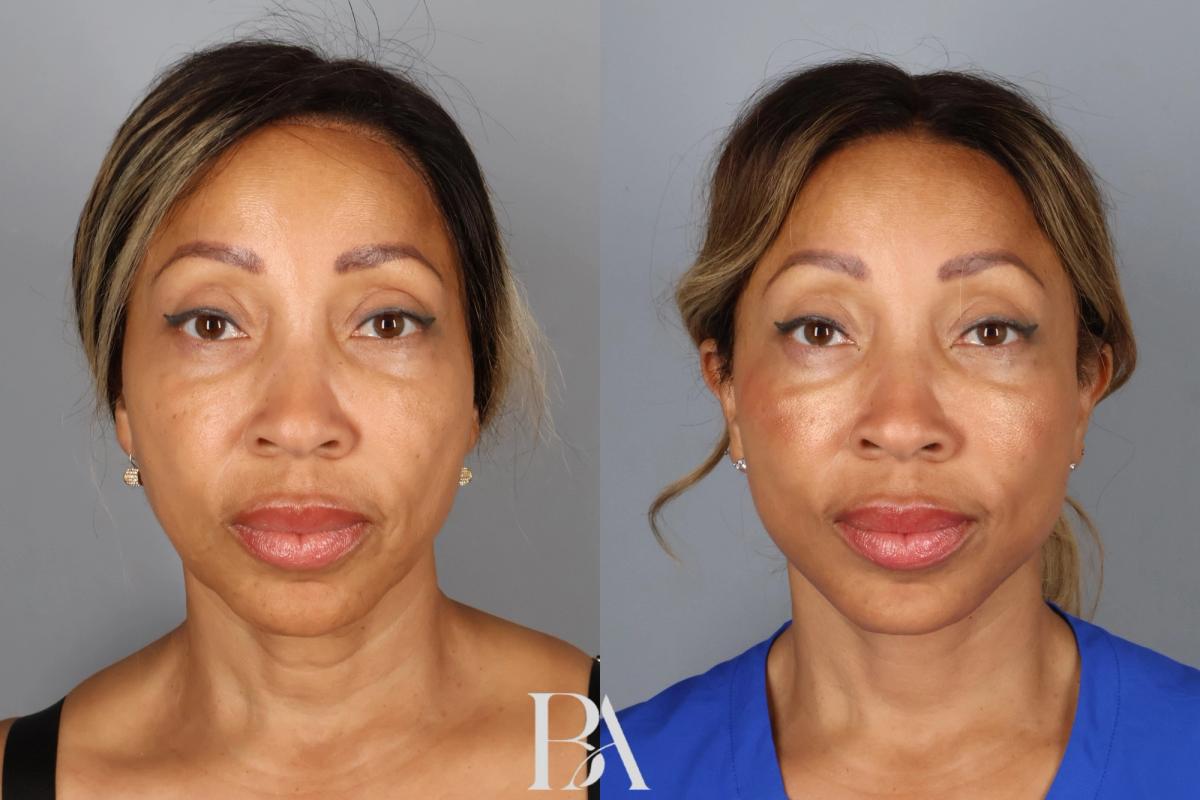
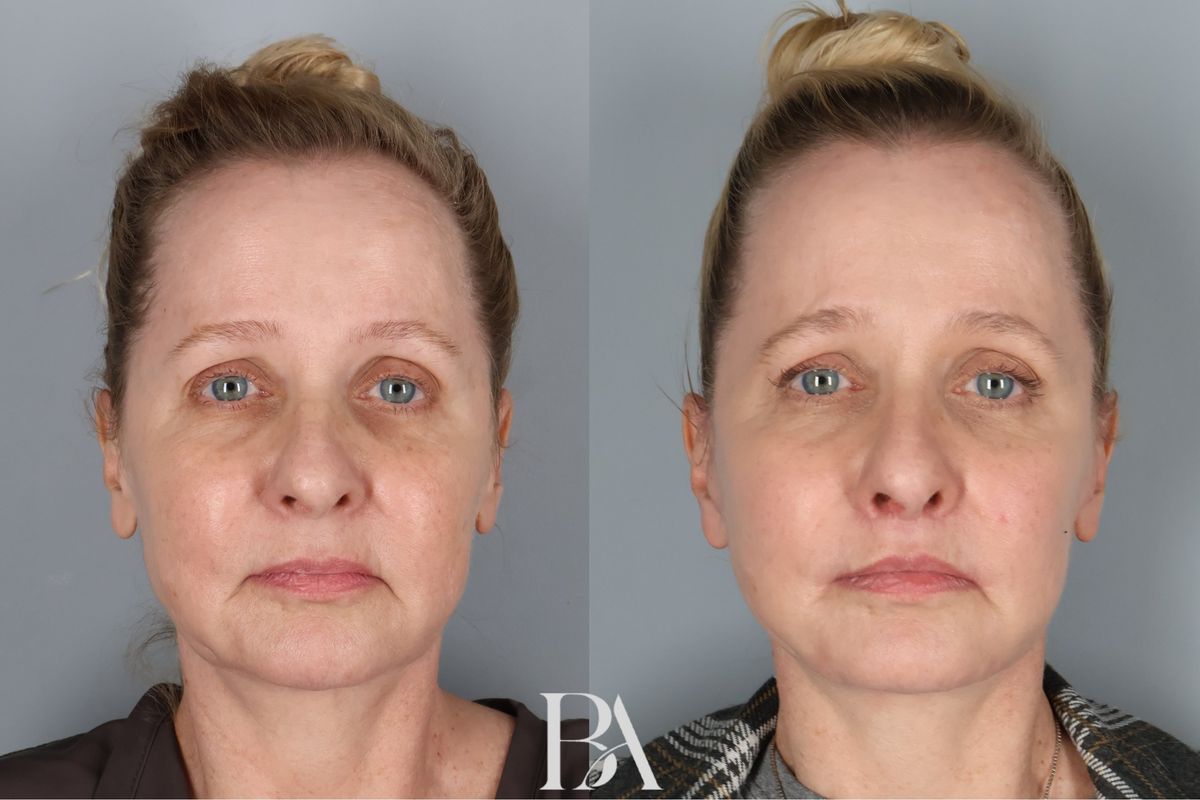
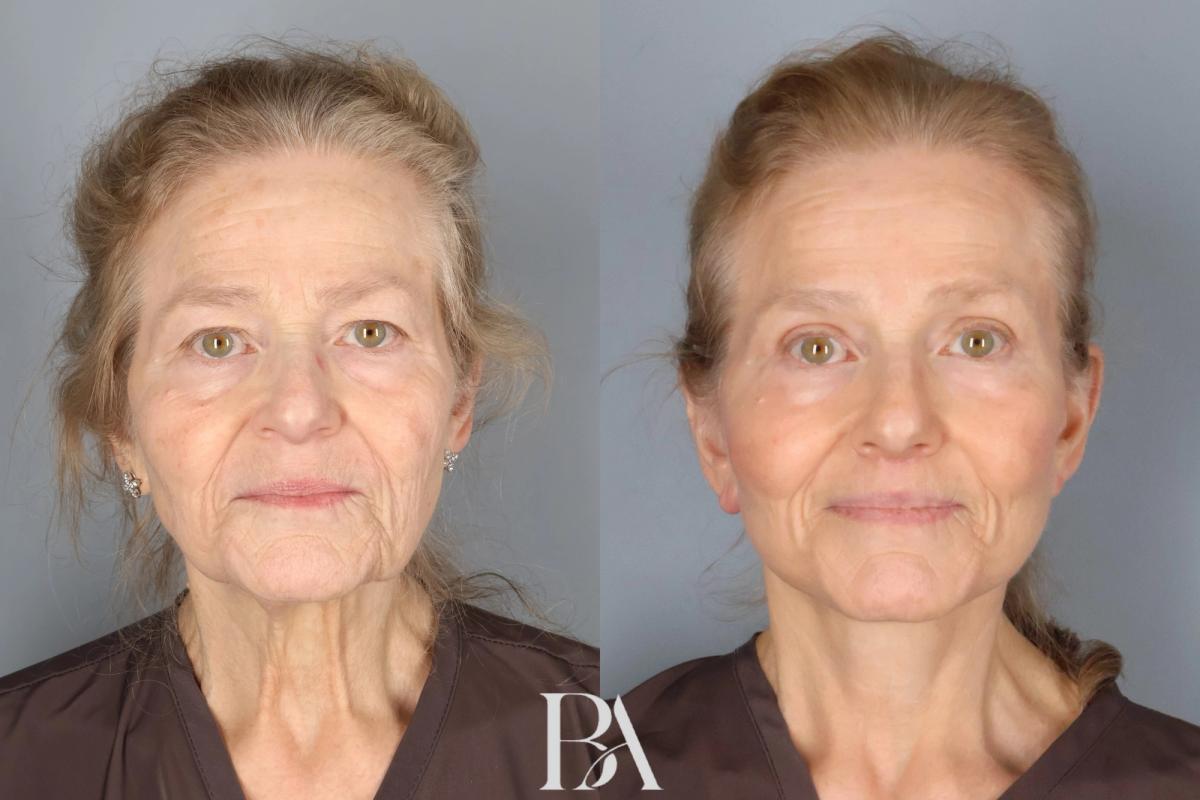
A planned combination of procedures — facelift, necklift, brow lift, eyelid surgery, fat grafting, and laser resurfacing — designed to address aging across the whole face in a single recovery.
Overview
Full facial rejuvenation is not a single procedure but a planned combination. Common components include facelift, necklift, brow lift, upper or lower blepharoplasty, fat grafting, and laser skin resurfacing. The specific combination is chosen during consultation based on the patient's facial structure, the pattern of aging, and what they want to address. Combining procedures into a single operation and recovery is more efficient than spreading them across multiple surgeries when the patient is a candidate for several.
Who it's for
The right candidate.
Patients whose face shows multiple compounding changes — descent, volume loss, skin texture, fine lines — and who want to address them in a single planned operation rather than across multiple recoveries.
Technique
How it's done.
Components are selected for each patient. Most plans combine some subset of facelift, necklift, brow lift, blepharoplasty, fat grafting, and laser resurfacing. The sequence and combination are planned in consultation based on what each patient wants addressed.
Where this happens
Our own surgery center.
One roof, one team.
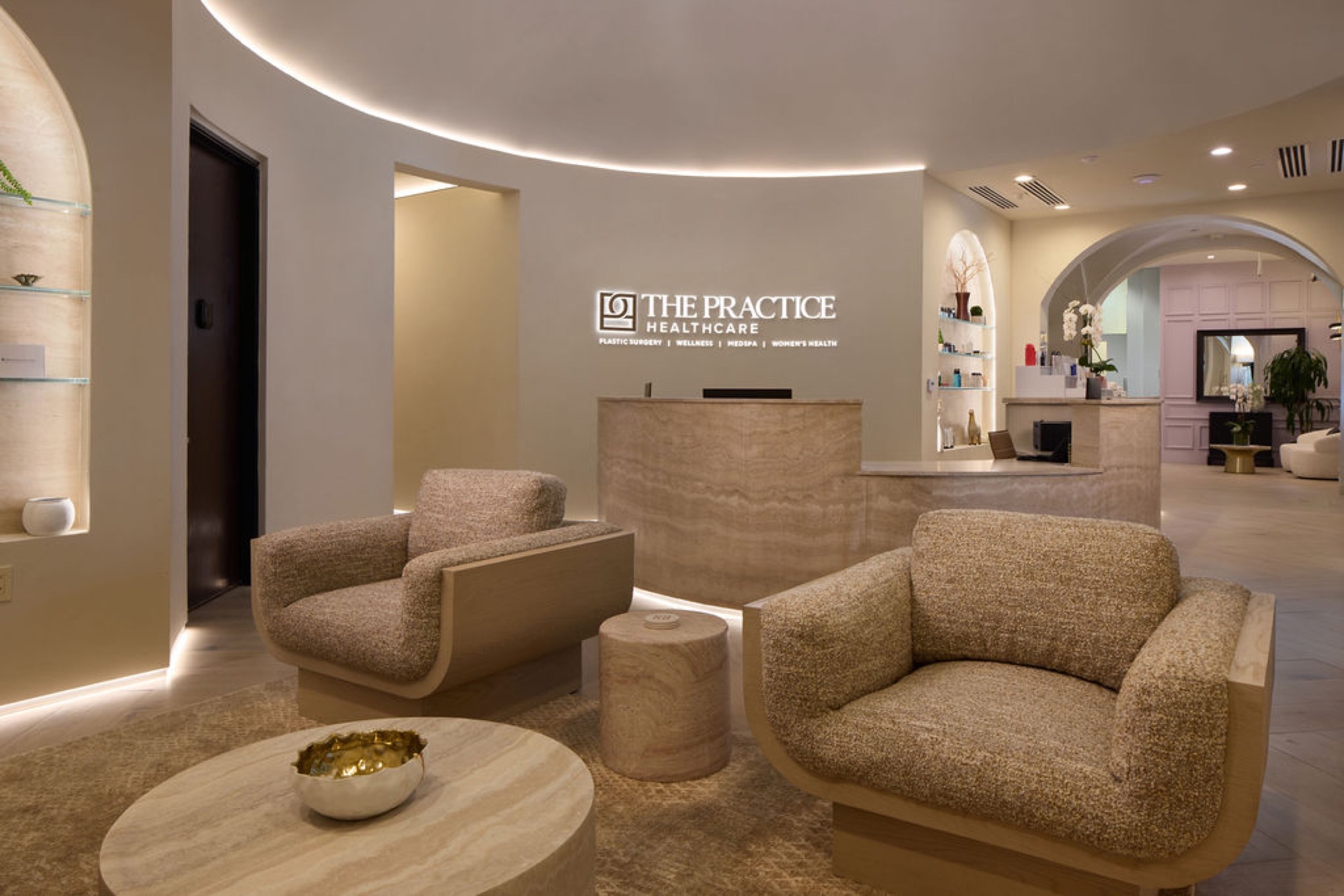
Dr. Azadgoli operates at The Practice Healthcare's fully independent, on-property ambulatory surgery center — a Medicare-certified, physician-led facility recognized by Newsweek as one of California's top centers for independent, privately owned surgery.
Consultation, surgery, aftercare, and recovery all happen in one building, with the same team. No outside hospital. No new staff to meet the day of surgery. The same person who checked you in at the consult is there when you wake up.
What to expect
From consultation to recovery.
Length of surgery varies with the number of components — typically four to seven hours under general anesthesia. Recovery follows the longest of the included procedures. Most patients are back to social activity at three to four weeks; full settling over six months.

Patient results
Real cases.
Insurance & coverage
Patient Advocacy handles the paperwork.
Our advocacy team verifies benefits, pursues pre-authorizations, and appeals denials. You don't navigate insurance on your own.
Cosmetic procedures are generally not covered by insurance. For reconstructive or medically necessary work, our advocacy team verifies your benefits and presents the out-of-pocket estimate before anything is scheduled.
How we work with insurance
- 1 Verification by expertsOur advocacy team verifies your benefits before any procedure — so we know exactly what is and is not covered.
- 2 Patient advocacy & follow-throughWe aggressively pursue pre-authorizations, appeal denials when appropriate, and hold carriers accountable to their commitments.
- 3 Financial transparencyYou receive a clear written estimate of potential out-of-pocket costs. No surprises on the day of surgery.
- 4 Collaboration with carriersOur team handles documentation and communication directly with your insurance company.
- 5 Options & supportIf a procedure is not covered, we walk you through cash-pay options, financing, and other pathways to care.
FAQ
Common questions.
Why combine procedures?
One recovery instead of three or four. The total cost of anesthesia and facility time is lower. The result reads as harmonious rather than serial corrections that do not match.
Can I skip some components later if I am not ready?
Yes. The plan is collaborative. Some patients start with surgery and add nonsurgical components afterward. Others add a laser resurfacing pass once they have healed from surgery.
How do I know which components I need?
That is what consultation is for. Dr. Azadgoli will review your face, listen to what you want to address, and propose a plan. Whether or not you proceed with everything is up to you.
How long is the total recovery?
Two to four weeks of meaningful downtime depending on which components are combined. Most patients are back to social activity at three to four weeks, with subtle settling continuing for six months.
Is it safe to do everything in one operation?
Yes, when planned with anesthesia time, blood loss, and recovery capacity in mind. Some patients are better served by staging — that decision is made during consultation.
Can I add nonsurgical treatments later?
Yes, and it's encouraged. Many patients add laser resurfacing, neuromodulator, or filler maintenance once they have healed from the surgical components.
Ready to discuss face/neck lift?
Schedule a consultation with Dr. Azadgoli and her team to explore your options.
Request a consultation