
Body
Labiaplasty
Reshapes the labia minora to reduce size or correct asymmetry. Performed for physical comfort, function, or aesthetic preference.
Overview
Labiaplasty reduces or reshapes the labia minora — the inner lips of the vulva. Reasons for the procedure include physical discomfort from larger or asymmetric labia (irritation with clothing, sport, or intercourse) and aesthetic preference. The operation is performed under local or general anesthesia depending on patient preference and the extent of correction. Two main techniques are used: the trim technique removes the outer edge of the labia, while the wedge technique removes a V-shaped section from the central portion. Each has different scar position and tradeoffs that are discussed during consultation.
Who it's for
The right candidate.
Patients with enlarged or asymmetric labia minora that cause discomfort with clothing, exercise, intercourse, or for aesthetic preference. The reasons are individual and not subject to judgment.
Technique
How it's done.
Two main approaches. The trim technique removes the outer edge of the labia. The wedge technique removes a V-shaped section from the central portion, preserving the natural edge. The choice depends on anatomy and the result the patient wants.
Where this happens
Our own surgery center.
One roof, one team.
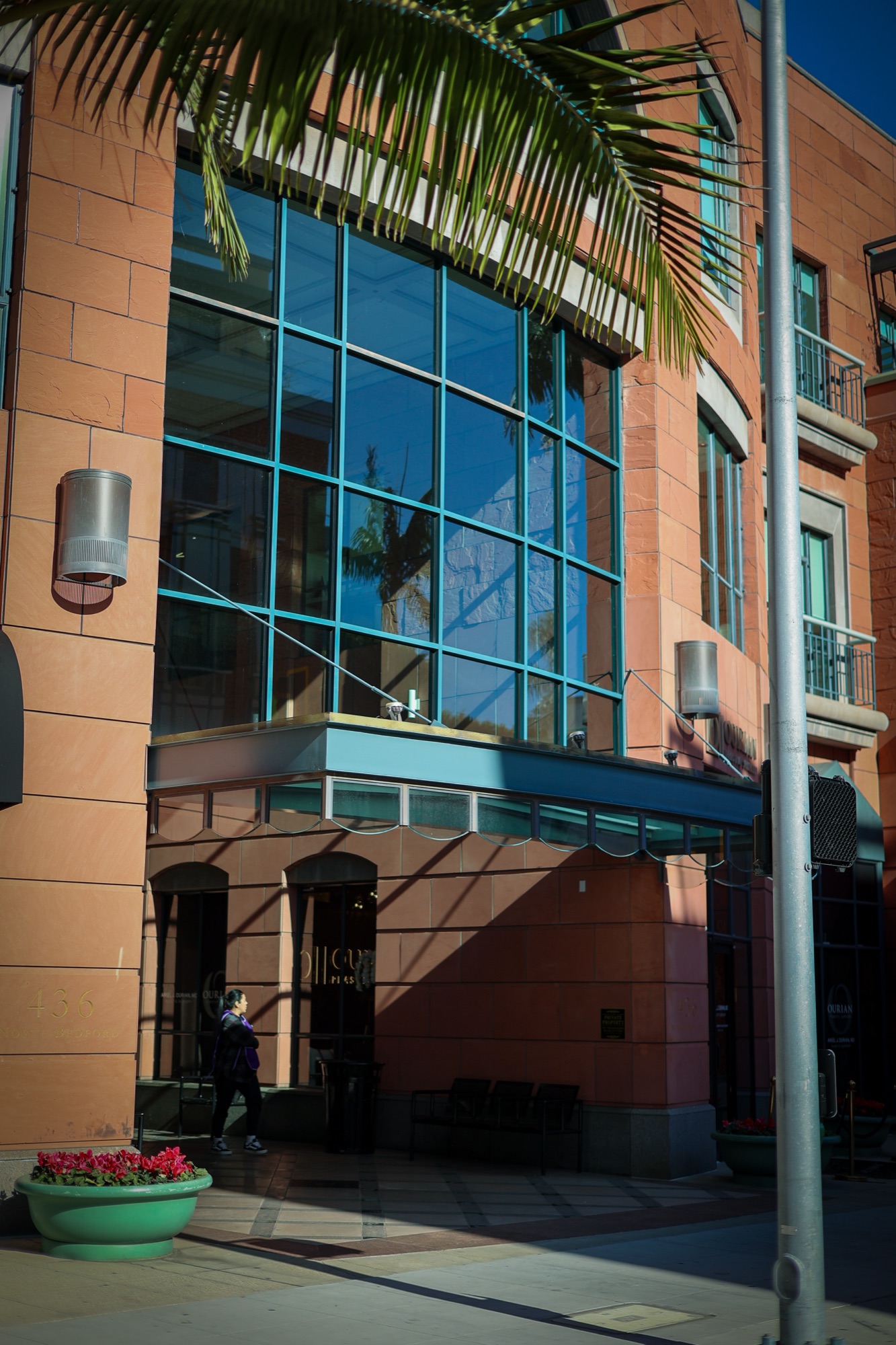
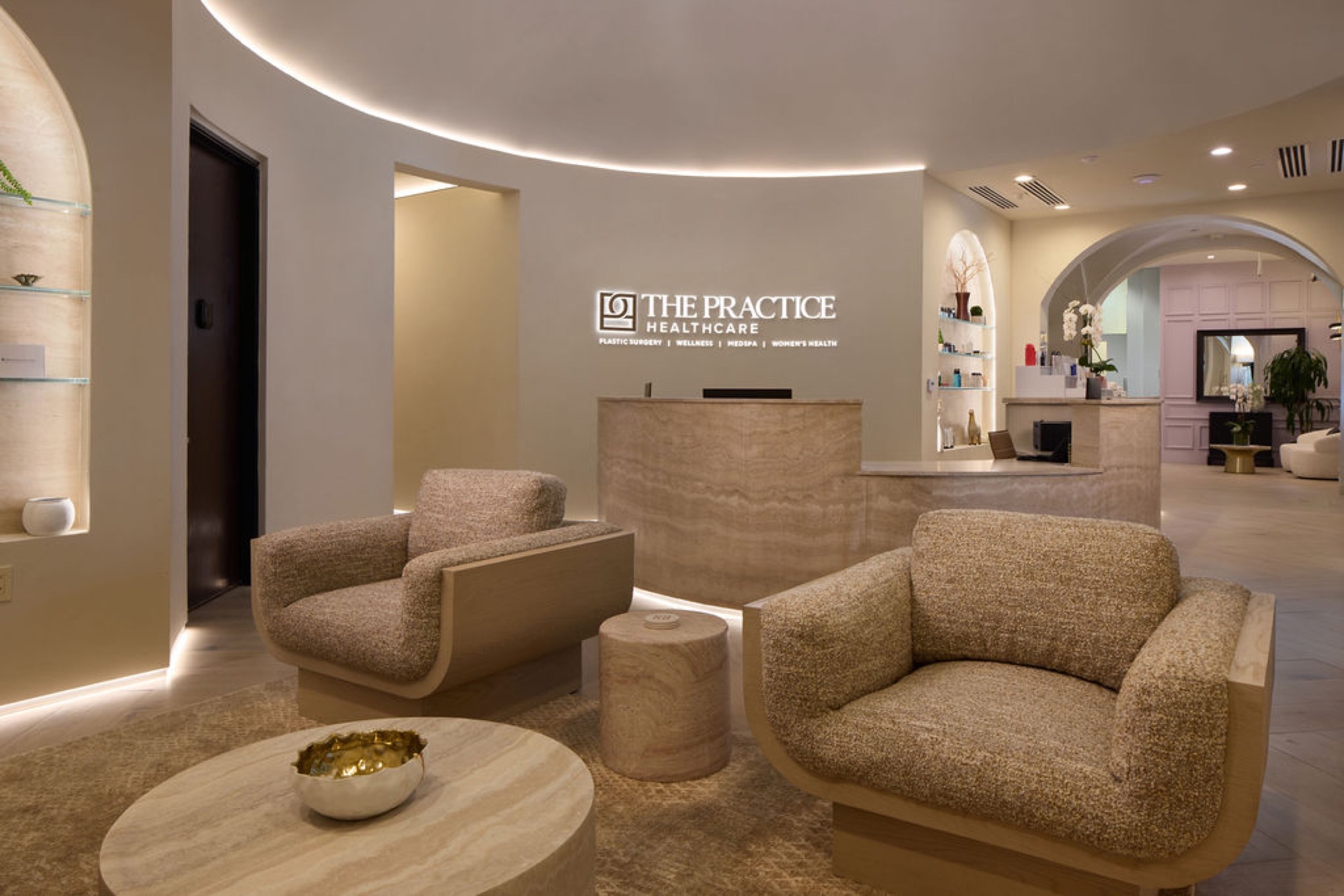
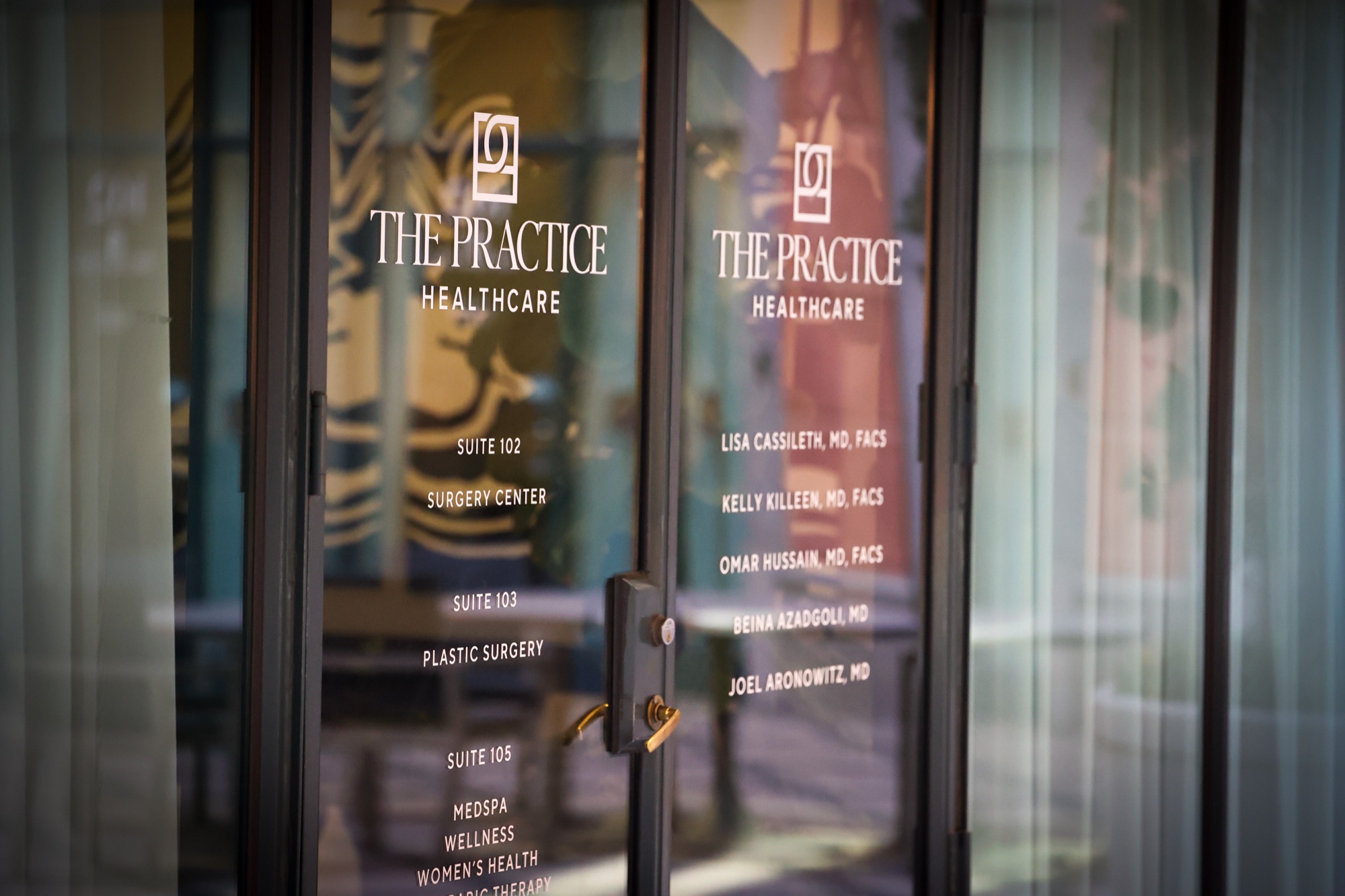
Dr. Azadgoli operates at The Practice Healthcare's fully independent, on-property ambulatory surgery center — a Medicare-certified, physician-led facility recognized by Newsweek as one of California's top centers for independent, privately owned surgery.
Consultation, surgery, aftercare, and recovery all happen in one building, with the same team. No outside hospital. No new staff to meet the day of surgery. The same person who checked you in at the consult is there when you wake up.
What to expect
From consultation to recovery.
Outpatient under local with sedation or general anesthesia. Mild soreness for several days. Most patients return to desk work at three to five days, exercise at four to six weeks, intercourse at six to eight weeks.
Insurance & coverage
Patient Advocacy handles the paperwork.
Our advocacy team verifies benefits, pursues pre-authorizations, and appeals denials. You don't navigate insurance on your own.
Cosmetic procedures are generally not covered by insurance. For reconstructive or medically necessary work, our advocacy team verifies your benefits and presents the out-of-pocket estimate before anything is scheduled.
How we work with insurance
- 1 Verification by expertsOur advocacy team verifies your benefits before any procedure — so we know exactly what is and is not covered.
- 2 Patient advocacy & follow-throughWe aggressively pursue pre-authorizations, appeal denials when appropriate, and hold carriers accountable to their commitments.
- 3 Financial transparencyYou receive a clear written estimate of potential out-of-pocket costs. No surprises on the day of surgery.
- 4 Collaboration with carriersOur team handles documentation and communication directly with your insurance company.
- 5 Options & supportIf a procedure is not covered, we walk you through cash-pay options, financing, and other pathways to care.
FAQ
Common questions.
Is this purely cosmetic?
Often it is functional — discomfort with cycling, exercise, or clothing is a common motivator. Aesthetic reasons are also valid. The procedure is the same regardless of why.
Trim or wedge technique?
Trim is more straightforward and preserves natural color along the edge. Wedge preserves the natural edge but is technically more demanding. The right choice depends on the existing anatomy and what the patient wants.
When can I have sex?
Typically six to eight weeks after surgery to allow for full healing. Specific guidance depends on the procedure and how recovery progresses.
Is this covered by insurance?
Generally no, even when there is significant functional discomfort. Insurance typically considers labiaplasty cosmetic. Our advocacy team will review individual cases for any applicable coverage.
When can I have sex again?
Typically six to eight weeks after surgery to allow full healing. Specific guidance depends on the procedure performed and how recovery is progressing.
Will sensation change?
Most patients report unchanged or improved sensation after healing. Temporary numbness in the first weeks is common and resolves.
Ready to discuss labiaplasty?
Schedule a consultation with Dr. Azadgoli and her team to explore your options.
Request a consultation