Nose
Rhinoplasty
Reshapes the nose to better complement the rest of the face. Addresses size, profile, tip refinement, nostril symmetry, and breathing function.
Overview
Rhinoplasty reshapes the bone, cartilage, and soft tissue of the nose. The most common goals are reducing a dorsal hump, refining the tip, narrowing a wide nose, straightening a deviated nose, and correcting nostril asymmetry. Functional rhinoplasty addresses breathing problems, most often from a deviated septum or collapsed internal valve, and is frequently performed at the same operation as cosmetic correction. Dr. Azadgoli's approach focuses on durable structural support so the long-term result matches the immediate one, which is particularly important in thicker-skinned patients.
Who it's for
The right candidate.
Patients who want to change the size or shape of the nose, address a dorsal hump, refine the tip, narrow a wide nose, or correct a deviation. Functional cases (breathing problems from a deviated septum or weakened internal valve) are commonly addressed at the same operation.
Technique
How it's done.
Most cases use an open approach with a small incision across the columella, which heals into a barely visible line. The bone and cartilage of the nose are reshaped — narrowing where indicated, augmenting with cartilage grafts where structural support is needed. Dr. Azadgoli prioritizes durable structural support so the long-term result matches what the patient sees at three months.
Where this happens
Our own surgery center.
One roof, one team.
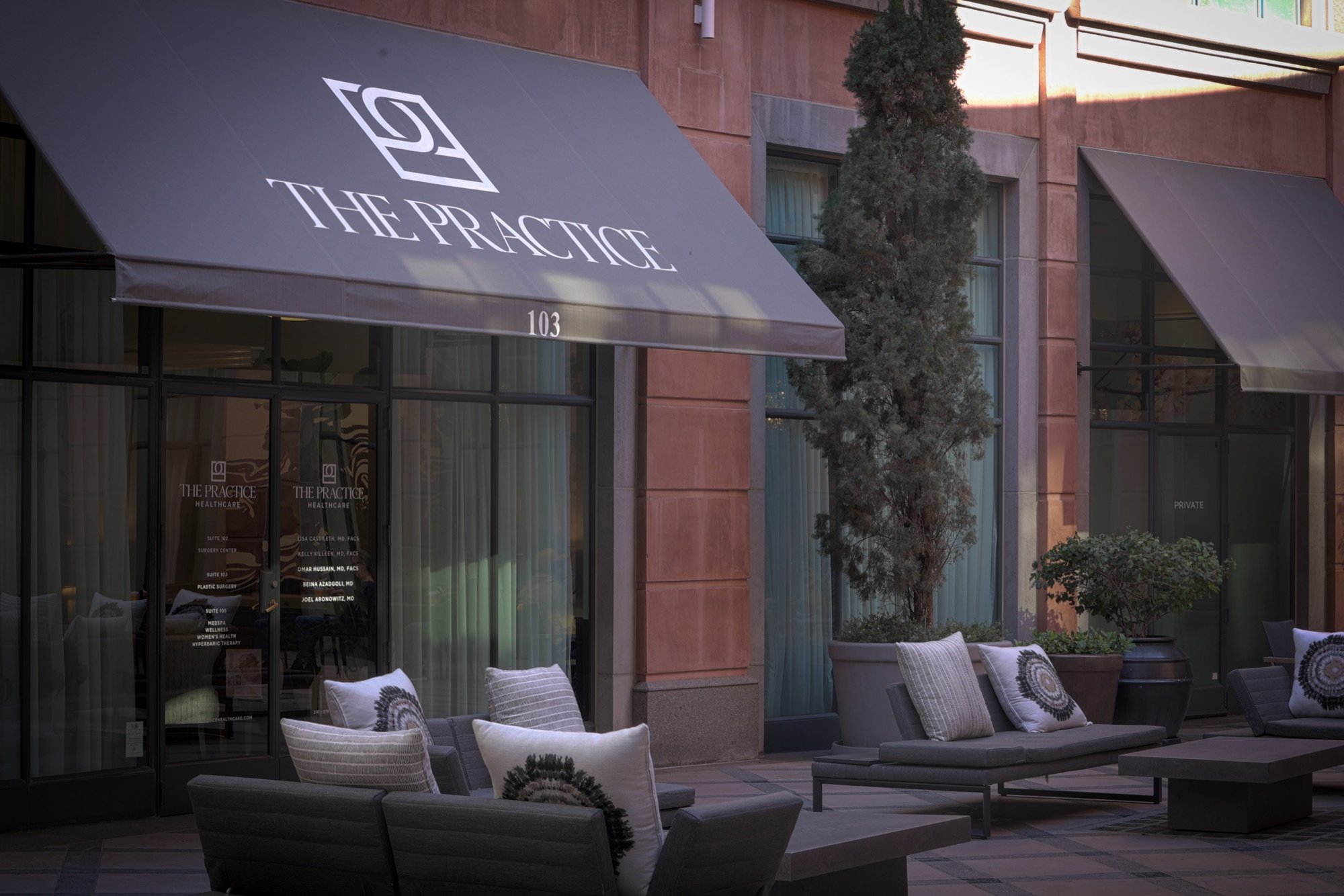
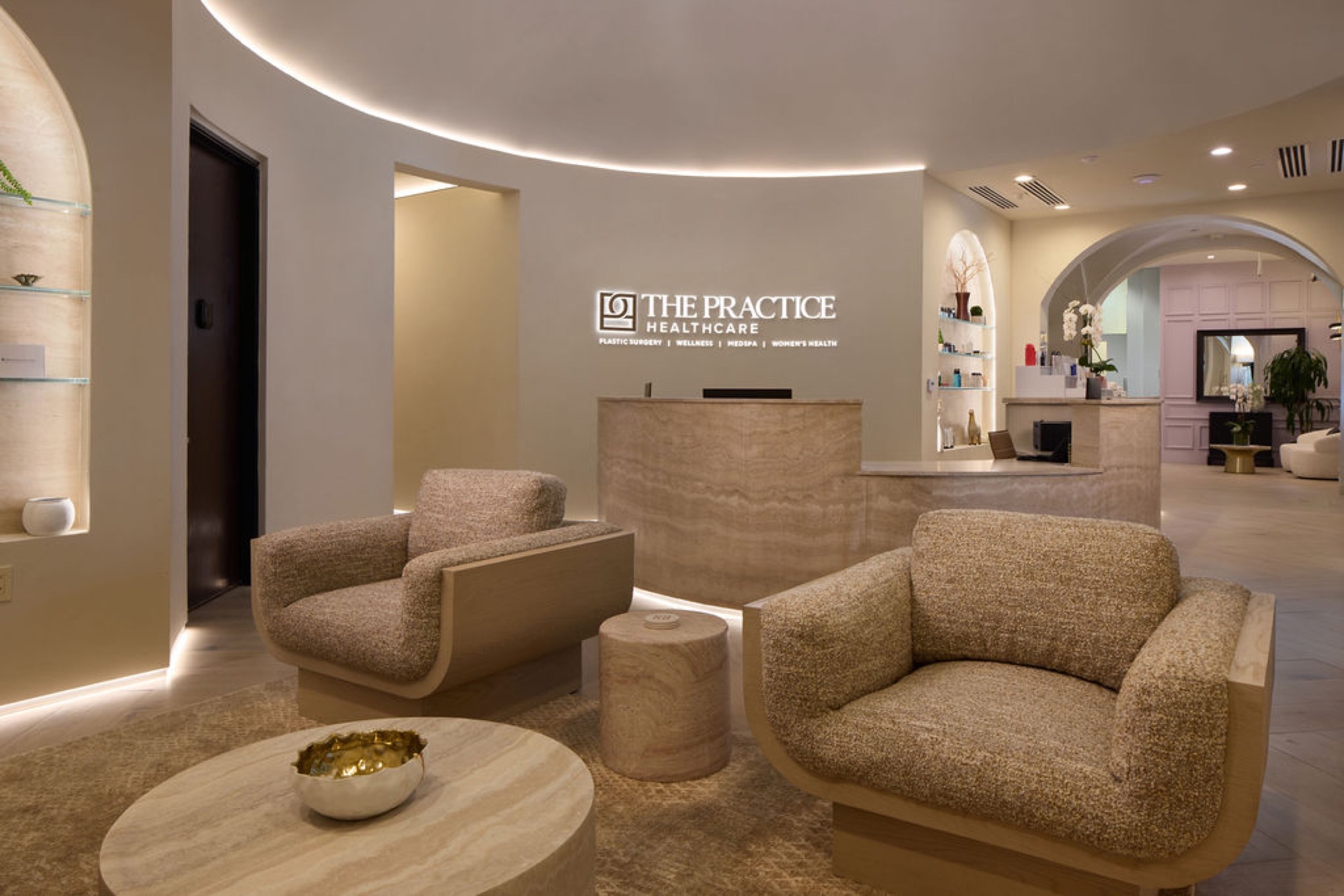
Dr. Azadgoli operates at The Practice Healthcare's fully independent, on-property ambulatory surgery center — a Medicare-certified, physician-led facility recognized by Newsweek as one of California's top centers for independent, privately owned surgery.
Consultation, surgery, aftercare, and recovery all happen in one building, with the same team. No outside hospital. No new staff to meet the day of surgery. The same person who checked you in at the consult is there when you wake up.
What to expect
From consultation to recovery.
Outpatient under general anesthesia. An external splint stays in place for one week. Most visible bruising and swelling resolves at two to three weeks; the tip continues to refine over six to twelve months.

Patient results
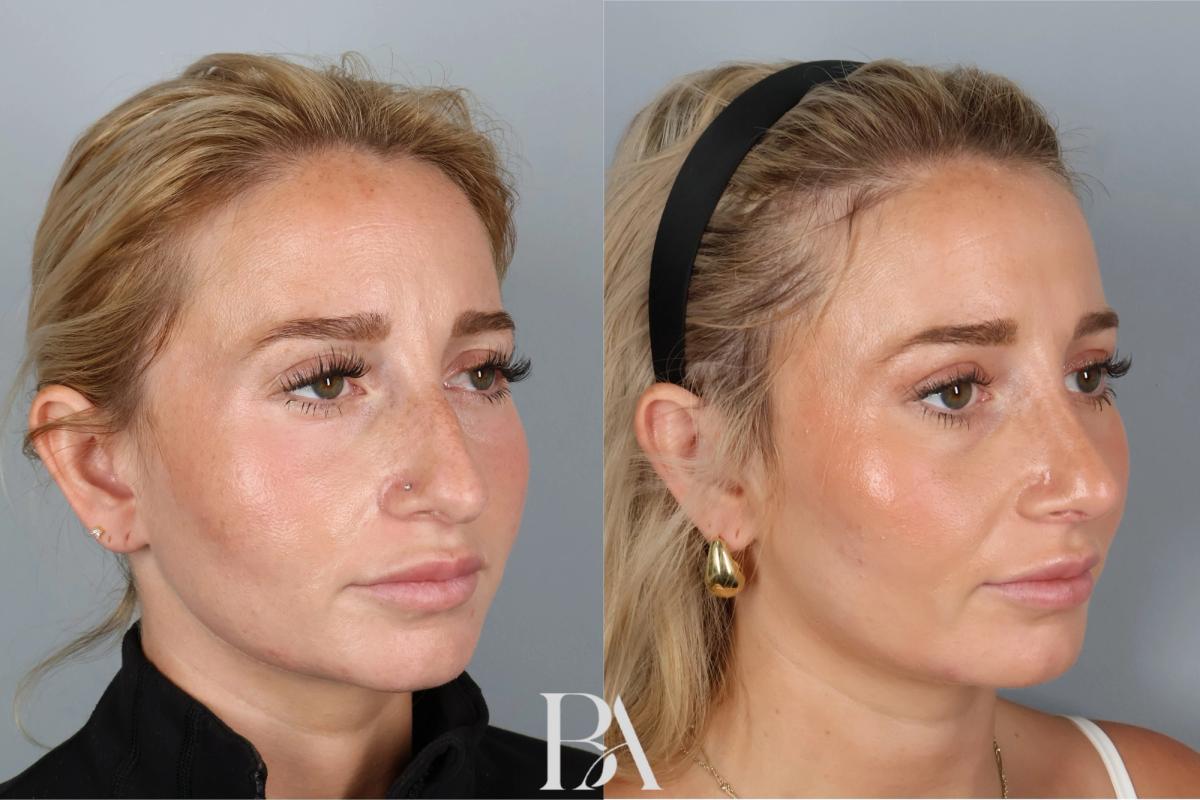
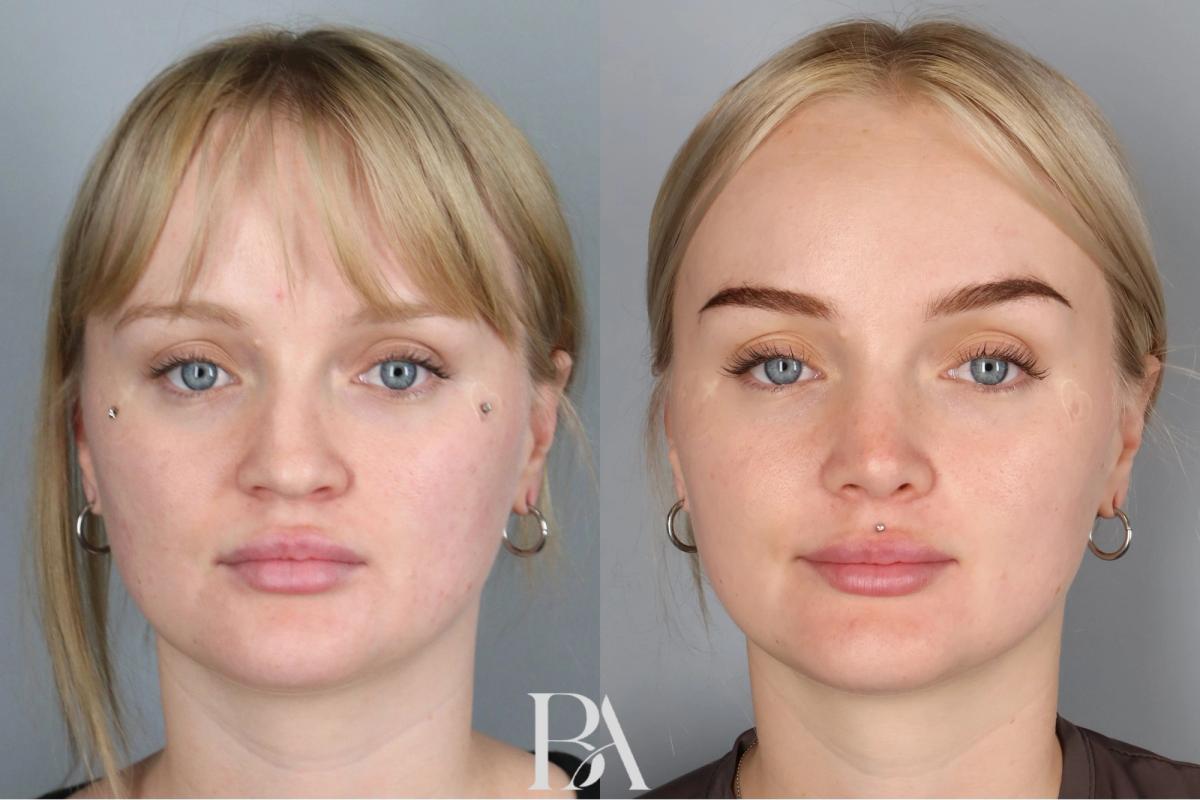
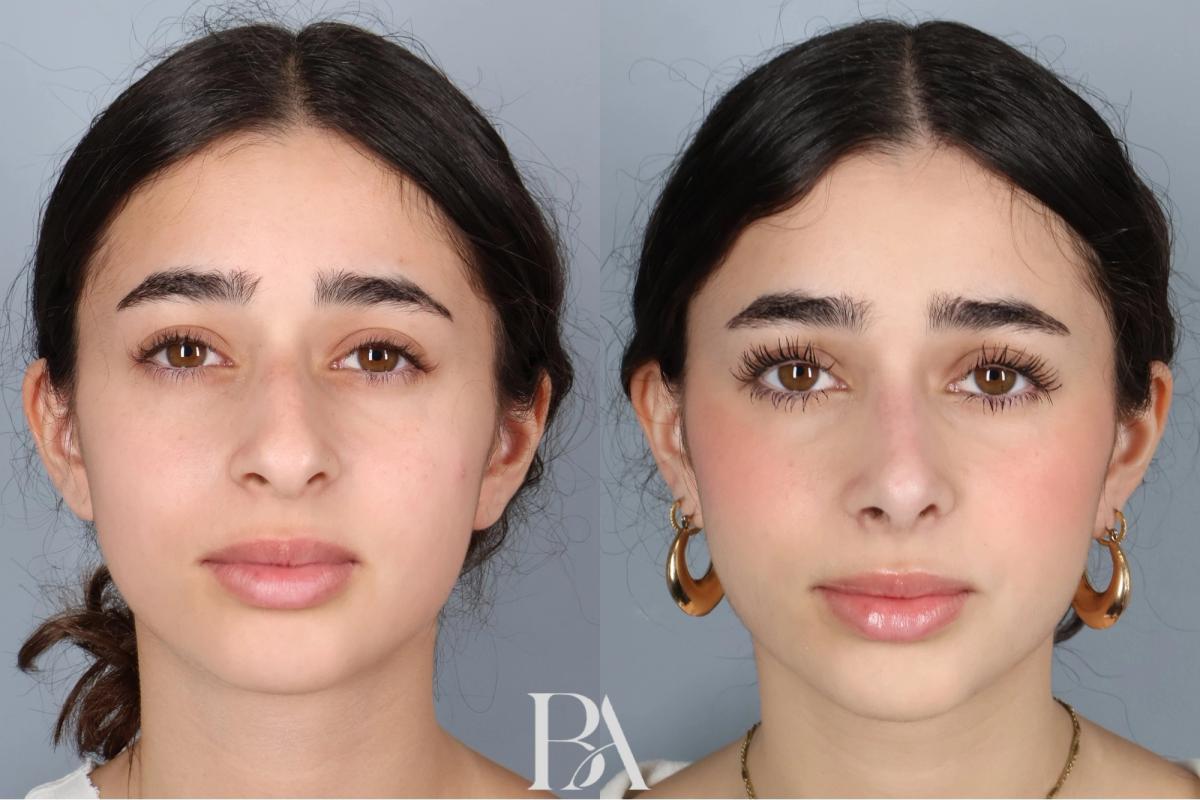
Real cases.
Insurance & coverage
Patient Advocacy handles the paperwork.
Our advocacy team verifies benefits, pursues pre-authorizations, and appeals denials. You don't navigate insurance on your own.
Functional rhinoplasty (deviated septum, internal valve repair, nasal airway obstruction) is often covered when documented appropriately. The cosmetic portion of a combined operation is not covered. Our Patient Advocacy team documents the medical necessity, pursues pre-authorization, and provides a clear estimate for the non-covered portion before anything is scheduled.
How we work with insurance
- 1 Verification by expertsOur advocacy team verifies your benefits before any procedure — so we know exactly what is and is not covered.
- 2 Patient advocacy & follow-throughWe aggressively pursue pre-authorizations, appeal denials when appropriate, and hold carriers accountable to their commitments.
- 3 Financial transparencyYou receive a clear written estimate of potential out-of-pocket costs. No surprises on the day of surgery.
- 4 Collaboration with carriersOur team handles documentation and communication directly with your insurance company.
- 5 Options & supportIf a procedure is not covered, we walk you through cash-pay options, financing, and other pathways to care.
FAQ
Common questions.
Will my nose look done?
It should not. The goal is a nose that fits the face, not one that calls attention to itself. Overrotation, overshortening, and overnarrowing are the most common causes of an obvious result.
How long until I see the final result?
Most of the swelling resolves at three months. The fine details of the tip continue to refine for six to twelve months. Thicker-skinned patients see slower refinement than thinner-skinned patients.
Will the bones break?
Controlled osteotomies — measured cuts in the nasal bones — are needed when narrowing or straightening is part of the plan. Not every rhinoplasty involves osteotomies. They sound dramatic but are routine and healing is uneventful.
Will insurance cover any of it?
Functional components (deviated septum repair, valve correction for breathing problems) are often covered. The cosmetic portion of the same operation is not. Our advocacy team documents the medical necessity and pursues coverage for the functional work.
Open or closed rhinoplasty?
Most cases use an open approach with a small incision across the columella, which heals to a barely visible line and gives direct access for precise reshaping. Closed approaches are appropriate for select cases with limited tip work.
How long until I can be in photos?
Most visible bruising and external swelling resolves at two to three weeks. The fine tip detail continues to refine for six to twelve months. Many patients are photo-ready at one month.
Can the result change with time?
Rhinoplasty results are stable. The tip can lose a small amount of refinement over years as the underlying tissue settles, which is why durable structural support is built in from the start.
Ready to discuss rhinoplasty?
Schedule a consultation with Dr. Azadgoli and her team to explore your options.
Request a consultation